-

When and Where to Apply Your Hyaluronic Filler for Best Results
Applying hyaluronic fillers effectively involves timing and technique. For optimal results, use on slightly damp skin right after cleansing, focusing on high-movement areas like the eyes, forehead, and smile lines to combat dehydration. A gentle pressing motion ensures even distribution. This approach promotes sustained hydration and improves overall skin texture.
-

Serum Layering: How to Combine Your Vital C with Other Resha Skin Favorites
Serum layering in skincare is often misapplied, leading to ineffective or irritating results. Proper sequencing is essential, starting with lighter, water-based serums and building to heavier ones for optimal absorption. Vitamin C is typically applied first for protection, followed by targeted serums and a moisturizer. A flexible approach tailored to individual skin needs promotes better…
-

Hydration + SPF: Why Moisturizing Sunscreen Works Better
The article emphasizes the importance of using moisturizing sunscreens that combine hydration with sun protection. It explains how well-hydrated skin allows for even sunscreen application, enhances comfort, and prevents dehydration from UV exposure. Such products improve overall skin health and encourage consistency in daily sun protection, essential for anti-aging.
-

Plump and Protect: The Antioxidants That Complement Hyaluronic Acid
Hyaluronic Acid (HA) hydrates skin, while antioxidants like Vitamin E protect it from environmental damage that causes moisture loss. Together, they enhance skin resilience, maintaining a smooth, plump appearance by combating oxidative stress. The combination of hydration and protection is crucial for long-lasting skin health, particularly in harsh urban environments.
-

Meet the Key Ingredients in Your Serum: What They Do and Why They Matter
The content focuses on educating clients about the significance of skincare ingredients, emphasizing that each serves a specific purpose. Key ingredients discussed include Vitamin C for protection and brightness, hyaluronic acid for hydration, peptides for firmness, and green tea extract for calming and anti-inflammatory properties. Understanding these elements leads to better skincare decisions and results.
-

What Makes Mineral SPF Ideal for Sensitive or Post-Procedure Skin
By Greg Resha | June 20, 2026 | 3 Minute Read Highlights Sensitive and post-procedure skin require a very different approach to sun protection than skin that is fully intact and resilient. When the barrier is compromised—whether by chronic sensitivity or a recent professional treatment—the skin becomes far more reactive to environmental stress, heat, and…
-

Why Hydration Is the Secret to Softening Fine Lines
by Greg Resha | June 10, 2026 | 3 Minute Read Highlights When those subtle fine lines suddenly seem more prominent in the mirror, the immediate instinct is often to reach for aggressive anti-aging actives or professional treatments. However, these lines frequently appear not because the skin has aged overnight, but because it has become…
-

Morning vs. Night: When to Use Your Vital C Serum for Best Results
The importance of timing when using Vitamin C serums in skincare is emphasized. Morning application protects against environmental stressors, while nighttime use aids in skin repair and collagen production. Consistent usage alongside healthy habits enhances the serum’s effectiveness, making it a versatile tool for achieving vibrant and resilient skin.
-

The Importance of Broad-Spectrum Protection Every Day
Broad-spectrum sunscreen is vital for skin protection against both UVA and UVB rays. While UVB causes sunburn, UVA contributes to long-term aging and skin damage, necessitating daily use regardless of weather. Mineral sunscreens provide reliable protection and support skin health, making daily application essential for maintaining youthful, even-toned skin.
-

How to Layer Your Skincare When Using a Hyaluronic Filler
To maximize the effectiveness of hyaluronic acid, apply it to damp skin after cleansing, before heavier products. Following with a moisturizer prevents water loss, ensuring optimal hydration. Proper layering enhances skincare results, as it helps retain moisture and improves skin texture. Consistent technique leads to a plumper, healthier complexion.
-

Vitamin C & SPF: The Anti-Aging Duo You Can’t Skip
To effectively protect the skin from premature aging, a comprehensive approach is essential. The combination of Vitamin C and sunscreen provides robust defense against UV damage and oxidative stress. While sunscreen blocks UV rays, Vitamin C neutralizes free radicals, promoting skin resilience. Consistent daily use leads to healthier, more balanced skin over time.
-

How Daily SPF Prevents Premature Aging
Premature aging results from cumulative UV exposure rather than occasional sunburns. Daily SPF use preserves collagen, stabilizes skin tone, and prevents dark spots. Integrating mineral sunscreen into your routine mitigates damage, ensuring skin remains resilient and youthful. Consistency in sun protection is essential for long-term skin health and appearance.
-
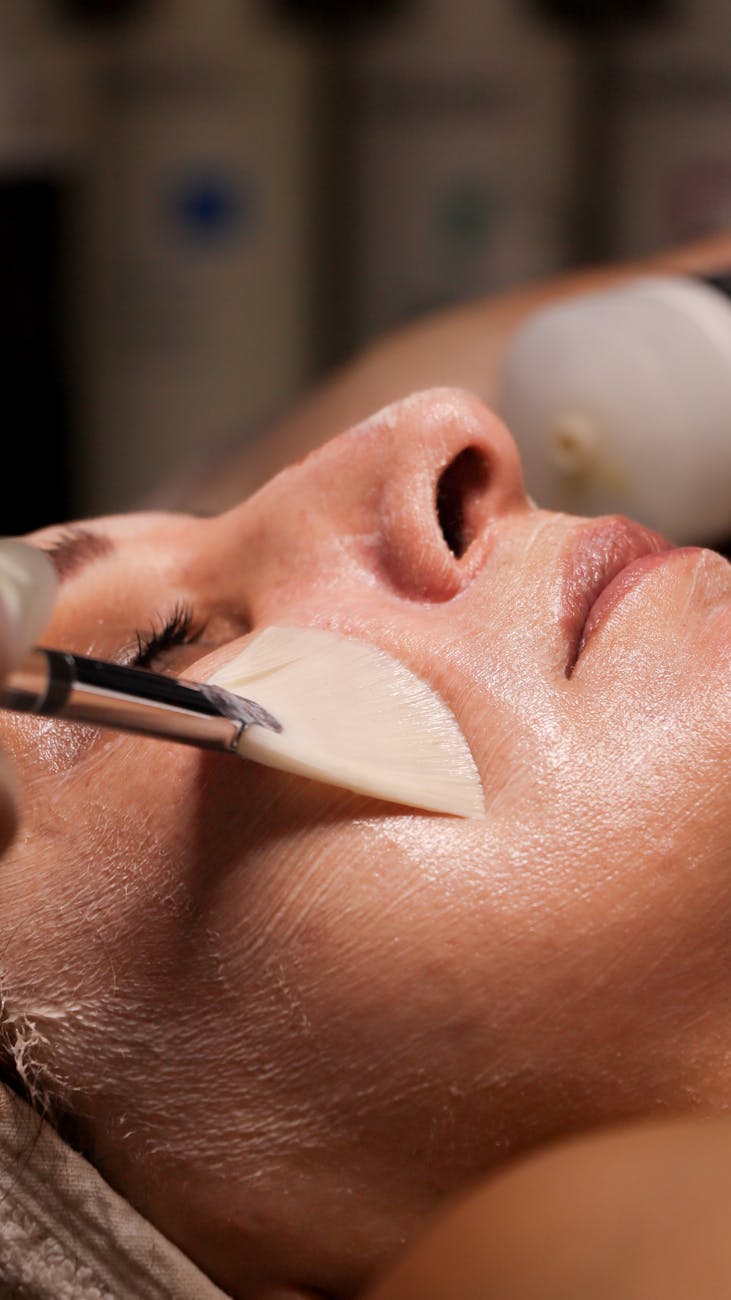
The “Sandwich Technique”: How to Layer Vol-U-Lift with Retinoids
The article by Greg Resha discusses the “Sandwich Technique” for effective retinoid application, which buffers the skin with a volume-restoring complex to minimize irritation and enhance results. This method combines retinoids with supportive ingredients, promoting healthier skin by addressing texture issues while preventing retinoid dermatitis. Consistency is key for optimal outcomes.
-
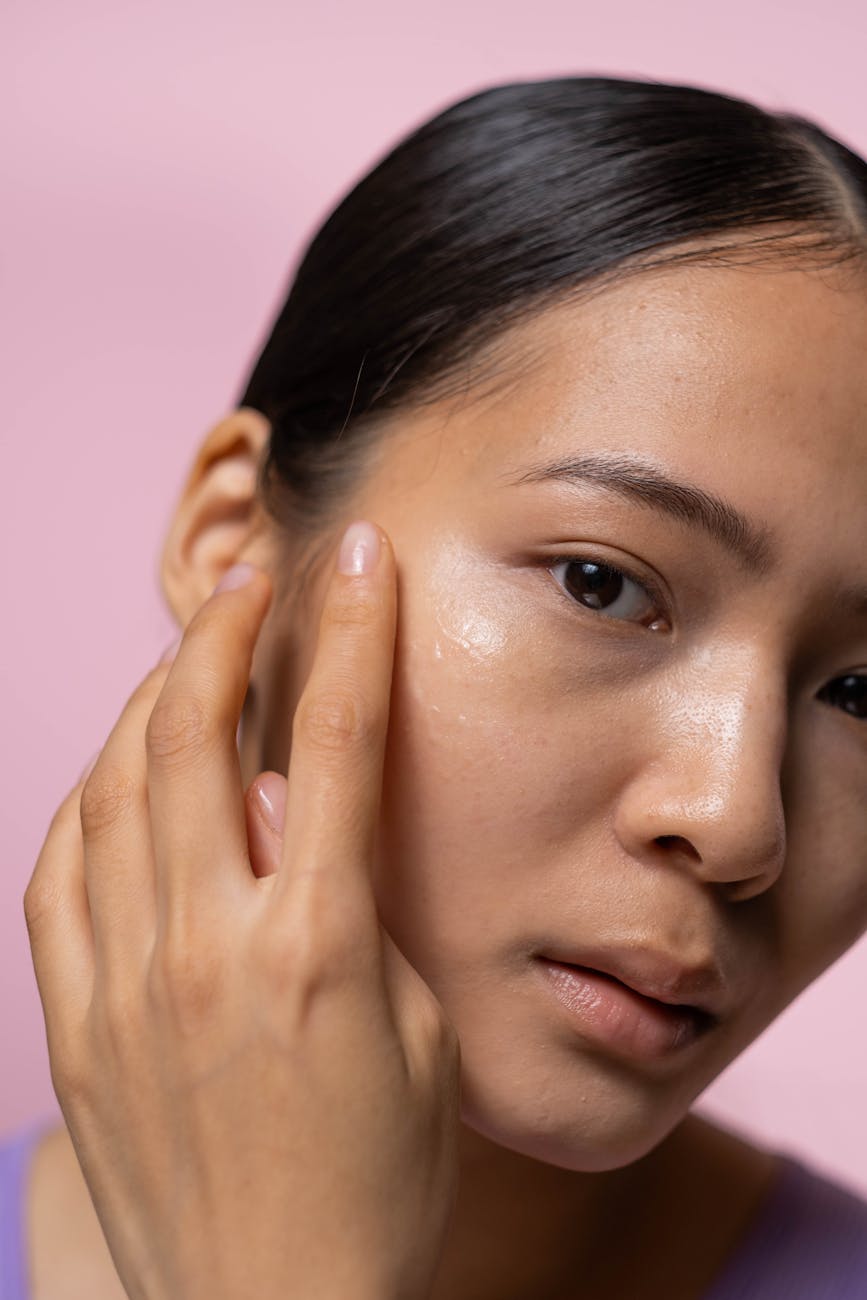
Why Your Post-Weight Loss Routine Needs More Than Just Hyaluronic Acid
Significant weight loss often leads to skin looking deflated due to loss of structural support, which Hyaluronic Acid alone cannot address. For effective restoration, a combination of volumetric reinforcement through ingredients like HA Silanols and amino acids is essential. This strategy revitalizes skin density, encouraging a more youthful appearance.
-
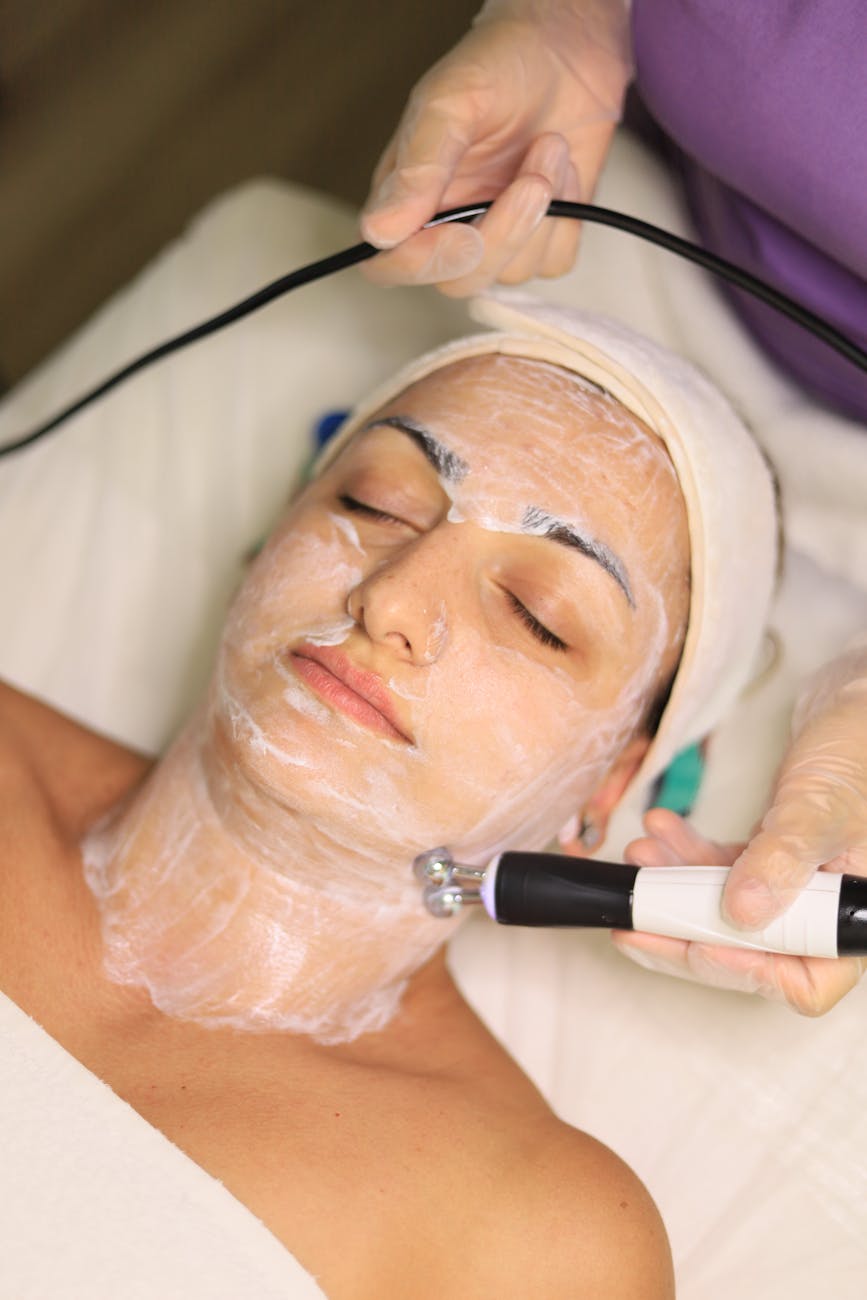
From Sagging to Sculpted: Addressing the Jawline and Nasolabial Folds
Greg Resha discusses techniques for addressing sagging in the lower face, particularly along the jawline and nasolabial folds, caused by volume loss. He emphasizes strategies like mid-face anchoring and the use of specific ingredients, such as Kangaroo Paw Flower and L-Ornithine, to restore skin density and achieve a more sculpted, youthful appearance.
-

How XOSM Technology Changes How Your Products Work
The article by Greg Resha discusses the importance of effective delivery systems in skincare, highlighting the limitations of traditional formulations that leave active ingredients on the skin’s surface. By utilizing XOSM™ technology, products can deeply penetrate the skin, enhancing the efficacy of key ingredients like Vitamin C and Ectoin, leading to noticeable improvements in skin…
-
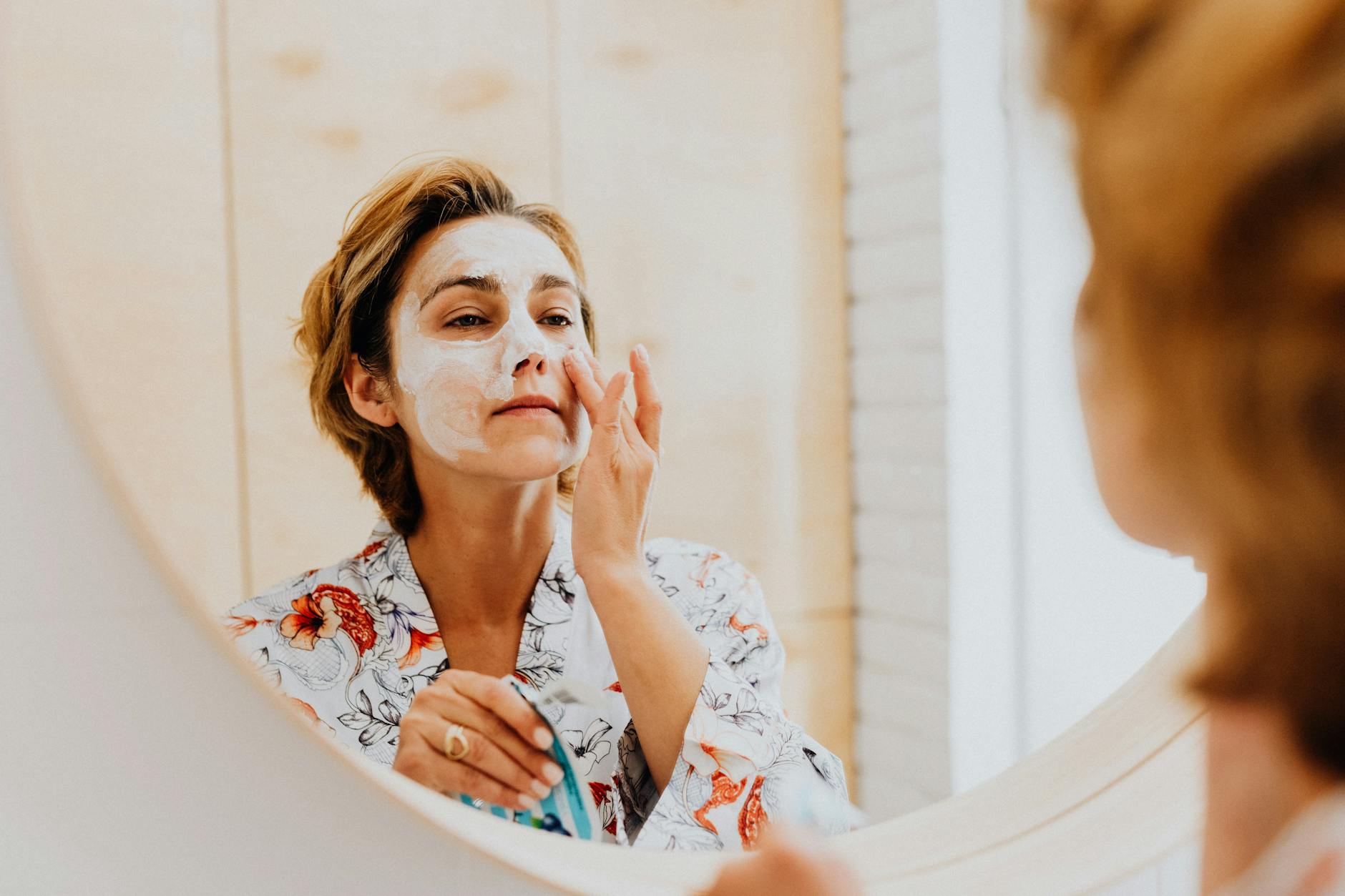
The Essential Guide to Caring for Thinned or “Fragile” Skin
As skin ages or experiences hormonal changes, it may become thin and fragile, leading to a “crepey” appearance. Effective care involves using biomimetic ingredients like collagen fragments and Squalane to reinforce structure and restore moisture. Emphasizing proper nutrients and professional-grade products can improve skin resilience and texture over time.
-
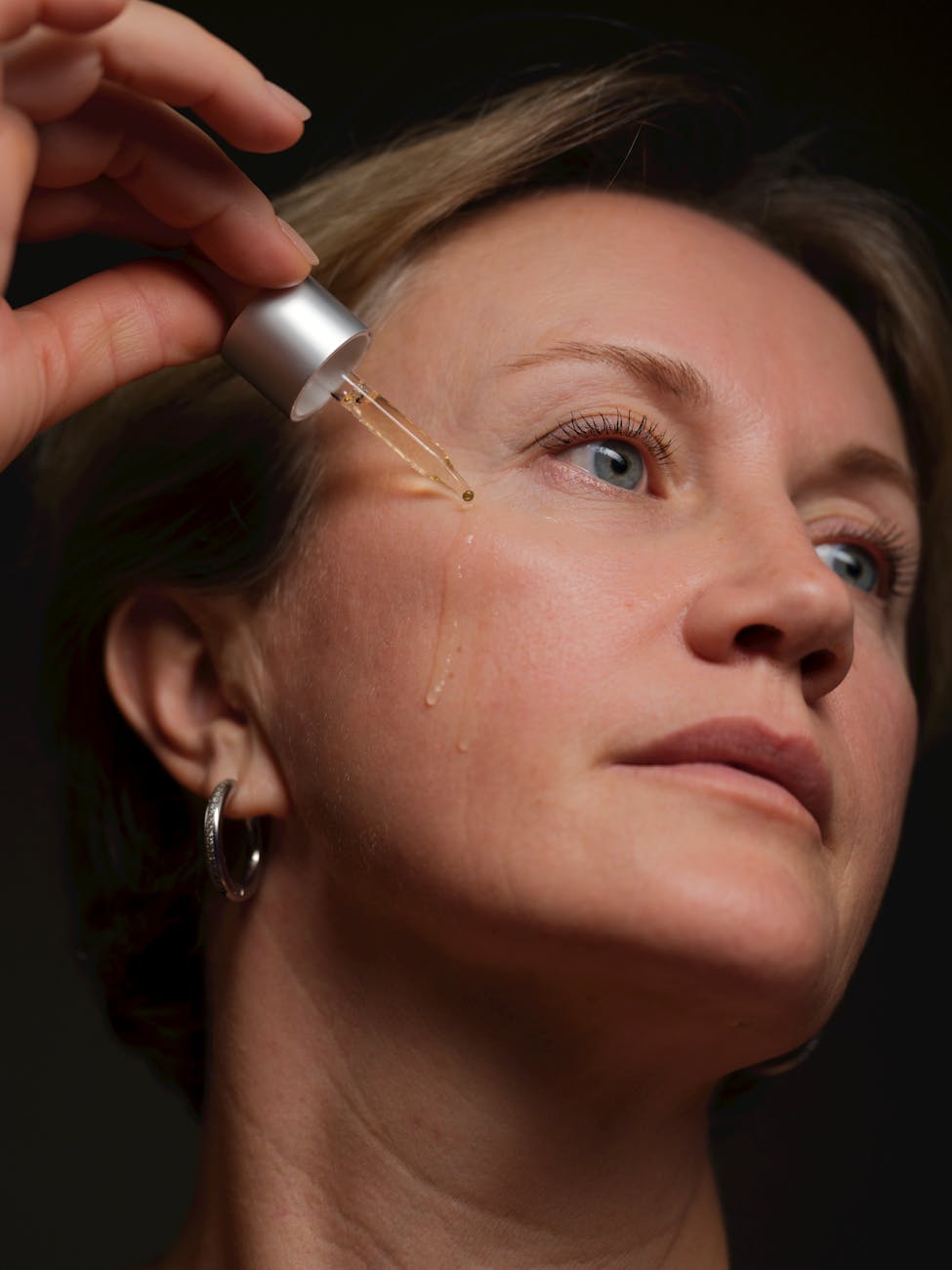
Understanding Skin Deflation: The Science of “The Rebound”
The article discusses the phenomenon of skin deflation, which differs from surface wrinkling and results in a hollow appearance due to loss of internal structure. It emphasizes the importance of boosting NAD+ levels and using biomimetic ingredients like L-Ornithine to restore skin volume and density, moving beyond surface treatments for effective rejuvenation.
-

Bakuchiol vs. Retinol: The Gentle Way to Sculpt and Smooth
Greg Resha discusses the benefits of Bakuchiol as a gentle, effective alternative to traditional retinoids for anti-aging. Unlike retinol, Bakuchiol promotes skin renewal without irritation, making it suitable for sensitive skin. Coupled with botanicals like Kangaroo Paw Flower, it offers a holistic approach to improving skin texture and firmness without painful side effects.
-
4D Skincare: Why Targeting Volume is the New Anti-Aging Standard
Greg Resha emphasizes a 4D approach to skincare for true facial rejuvenation, targeting not just surface wrinkles but also underlying issues like volume and density loss. By utilizing biotech-powered ingredients, one can effectively restore skin structure, achieving a firmer and more resilient complexion. This method shifts the focus from superficial fixes to holistic skin health.
-

What is “Ozempic Face”? How Weight Loss Changes Your Skin Structure
The article discusses “Ozempic Face,” a phenomenon where rapid weight loss leads to facial sagging due to loss of fat pads. It emphasizes a 4D skincare approach combining hydration, moisture, and volume restoration using advanced biotech ingredients to support skin’s structural integrity. Nutrition and stress management are also vital for optimal recovery post-weight loss.
-
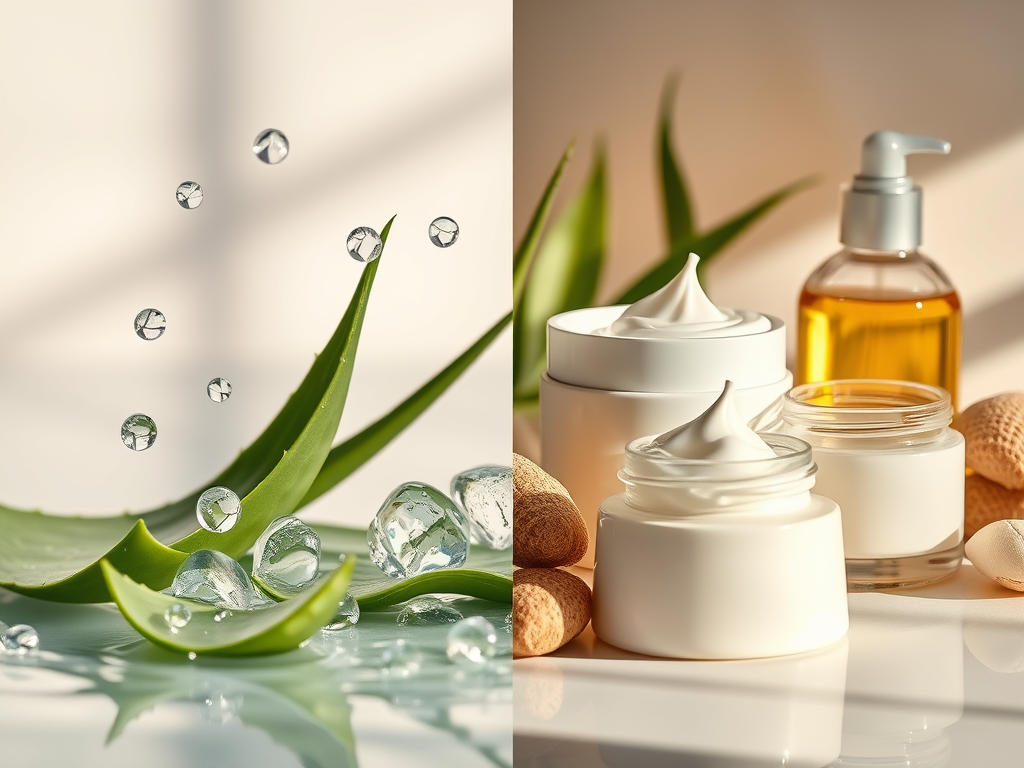
The Difference Between Hydration and Moisture
Many people confuse hydration with moisture in skincare, although they serve different purposes. Hydration involves the skin’s water content, while moisture pertains to oil levels. Both are vital for healthy skin. Understanding this distinction helps improve skincare routines, allowing for better product choices and overall skin health, comfort, and appearance.
-
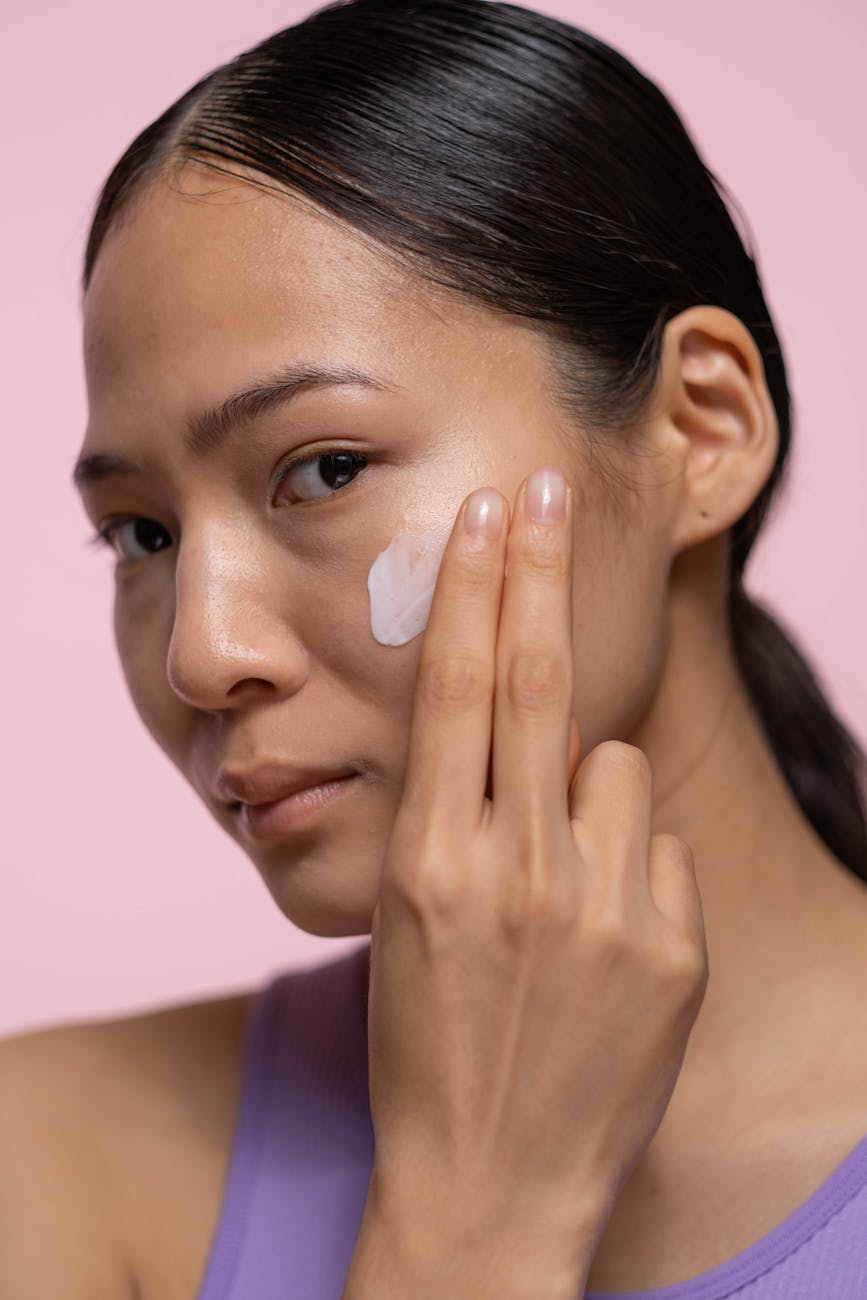
Plastic Surgeon vs. Esthetician: The Non-Invasive Approach to Volume
Greg Resha argues for an innovative skincare approach that transcends the traditional “surgery vs. skincare” debate. He advocates for non-invasive biotech solutions like the VOL.U.LIFT™ Skin Rebound Complex to enhance skin density and vitality, promoting natural facial volume without invasive procedures. This strategy helps delay the need for surgical interventions.
-
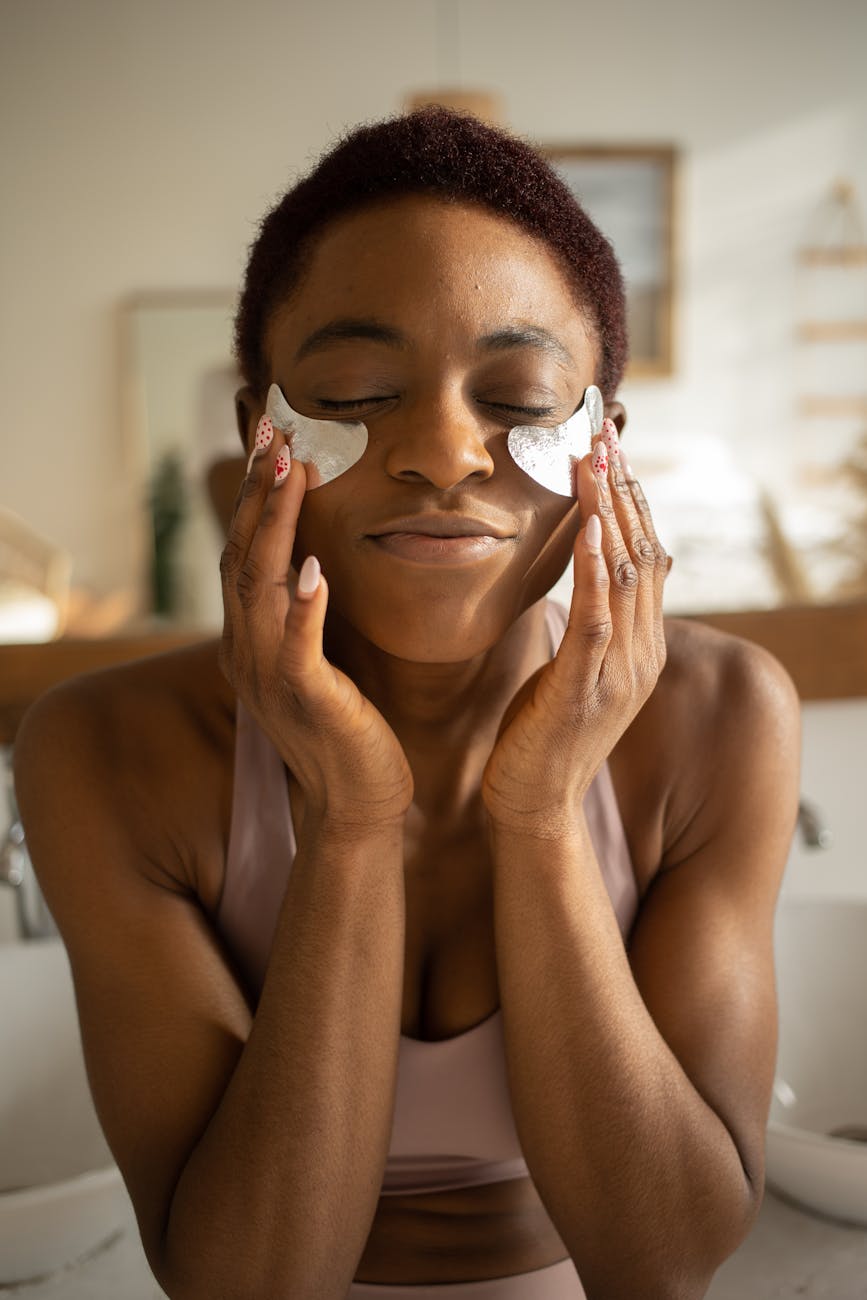
Travel Skincare Essentials: Why This Balm is a Must-Have for Every Flight
Airplane cabins possess extremely low humidity, leading to significant skin dehydration during flights. To combat this, a breathable barrier balm, like IMAGE MD® Barrier Repair Recovery Balm, is recommended over traditional mists. This balm provides essential protection and hydration, helping travelers maintain healthy skin without breakouts, ensuring they arrive at their destinations glowing.
-
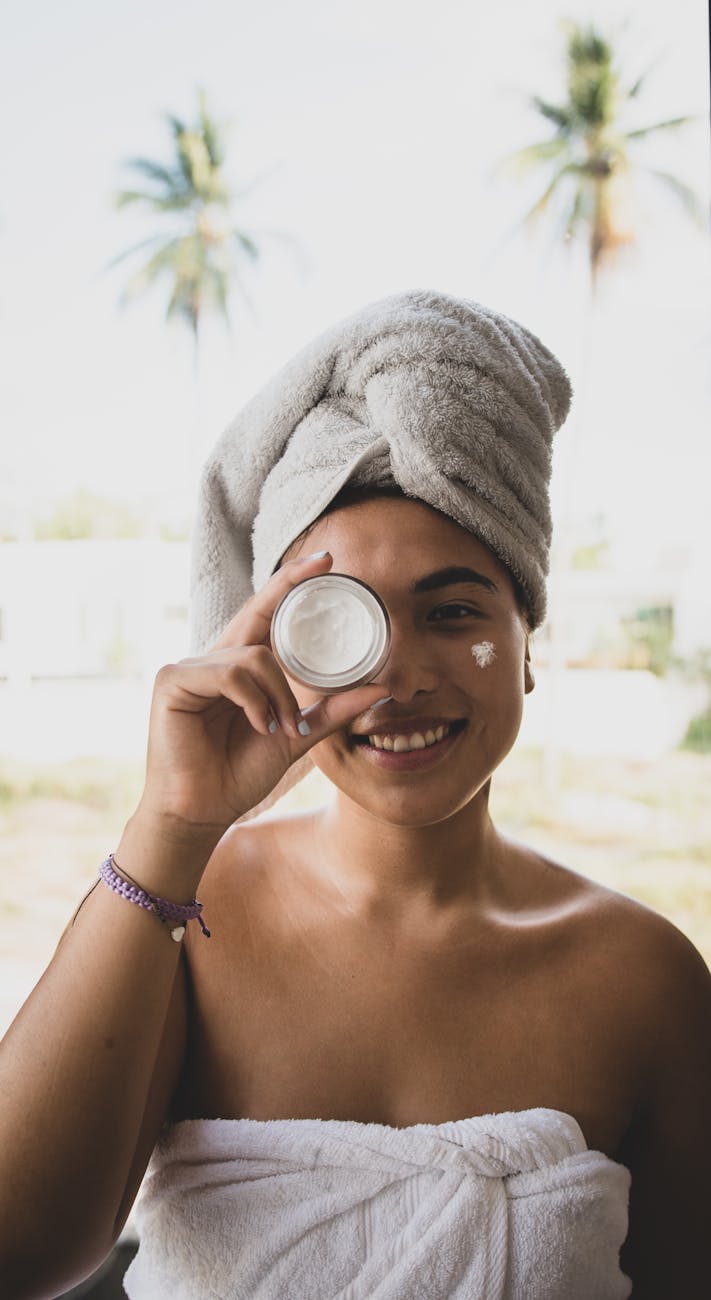
Creating a “Moisture Reservoir”: The Benefits of Overnight Barrier Masking
Overnight skincare is essential for restoring and nourishing the skin. The IMAGE MD® Barrier Repair Recovery Balm creates a moisture reservoir that prevents dehydration, allowing for deeper repair. This technique combats morning redness and tightness, transforming skin to a plump, resilient state. Effective overnight masking surpasses standard moisturizers.
-
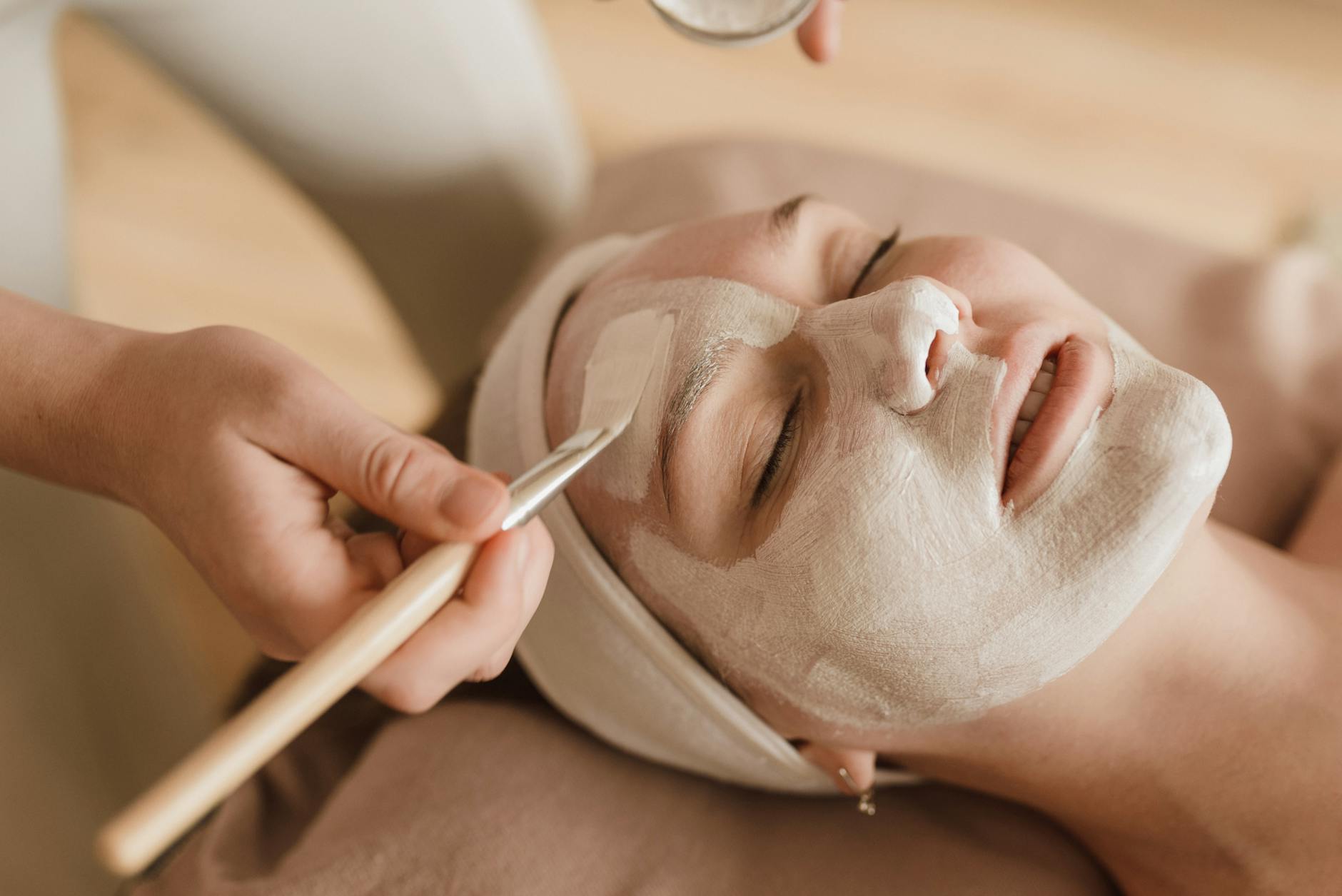
The Science of Ectoin: The Extremolyte Protecting Your Skin from Stress
Ectoin is a natural extremolyte that protects skin cells from environmental stressors. Unlike traditional humectants, it forms a hydration shell to stabilize cell membranes. Delivered via the XOSM™ system in IMAGE MD® Barrier Repair Recovery Balm, it enhances moisture retention and reduces inflammation, promoting resilience against pollutants and temperature changes for healthier skin.
-
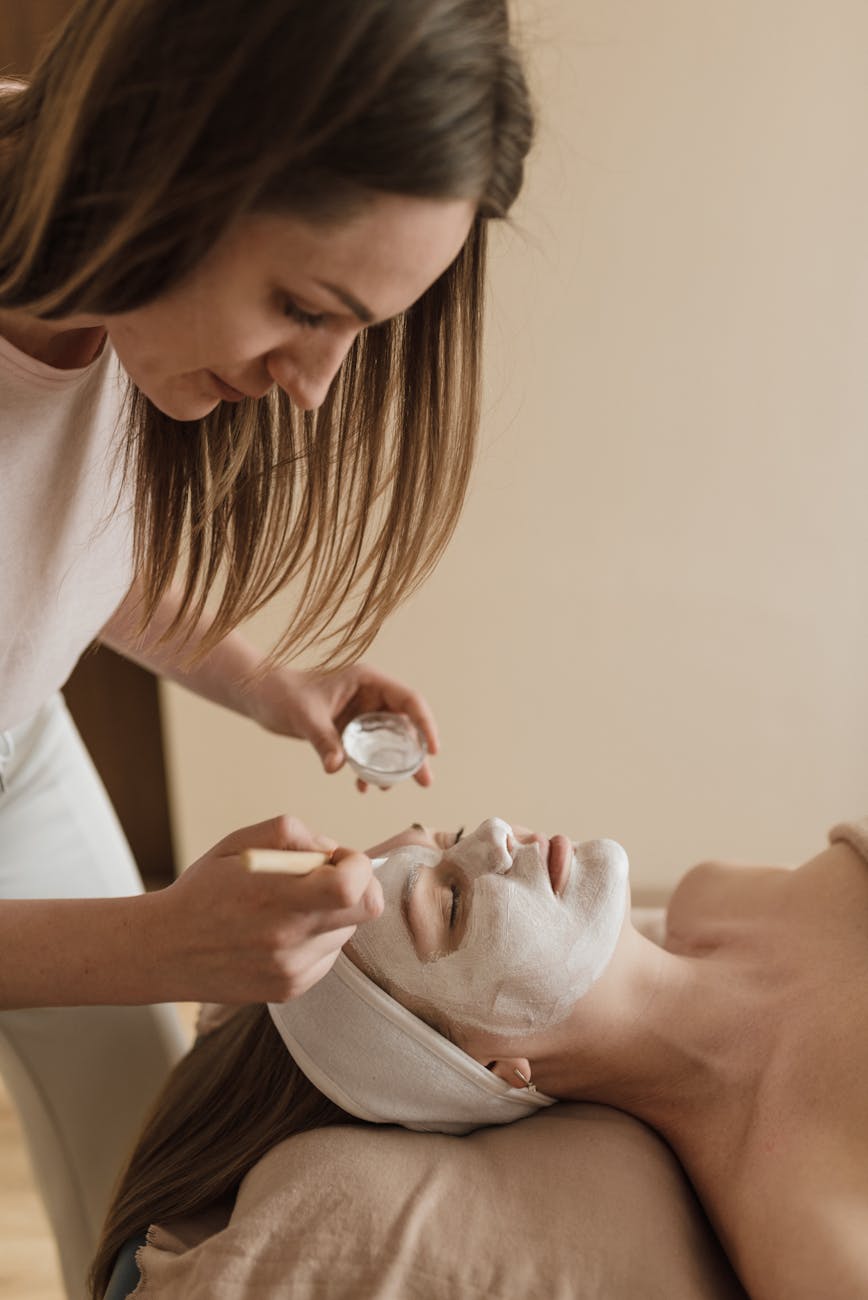
Skincare “Burnout”: What to Do When You’ve Overdone Your Actives
Greg Resha discusses “skincare burnout,” caused by overuse of high-potency products that damage the skin barrier. He recommends a “reset” protocol using IMAGE MD® Barrier Repair Recovery Balm to restore skin health. This breathable balm calms inflammation, allowing the skin to heal, emphasizing the importance of moderation in skincare routines.
-
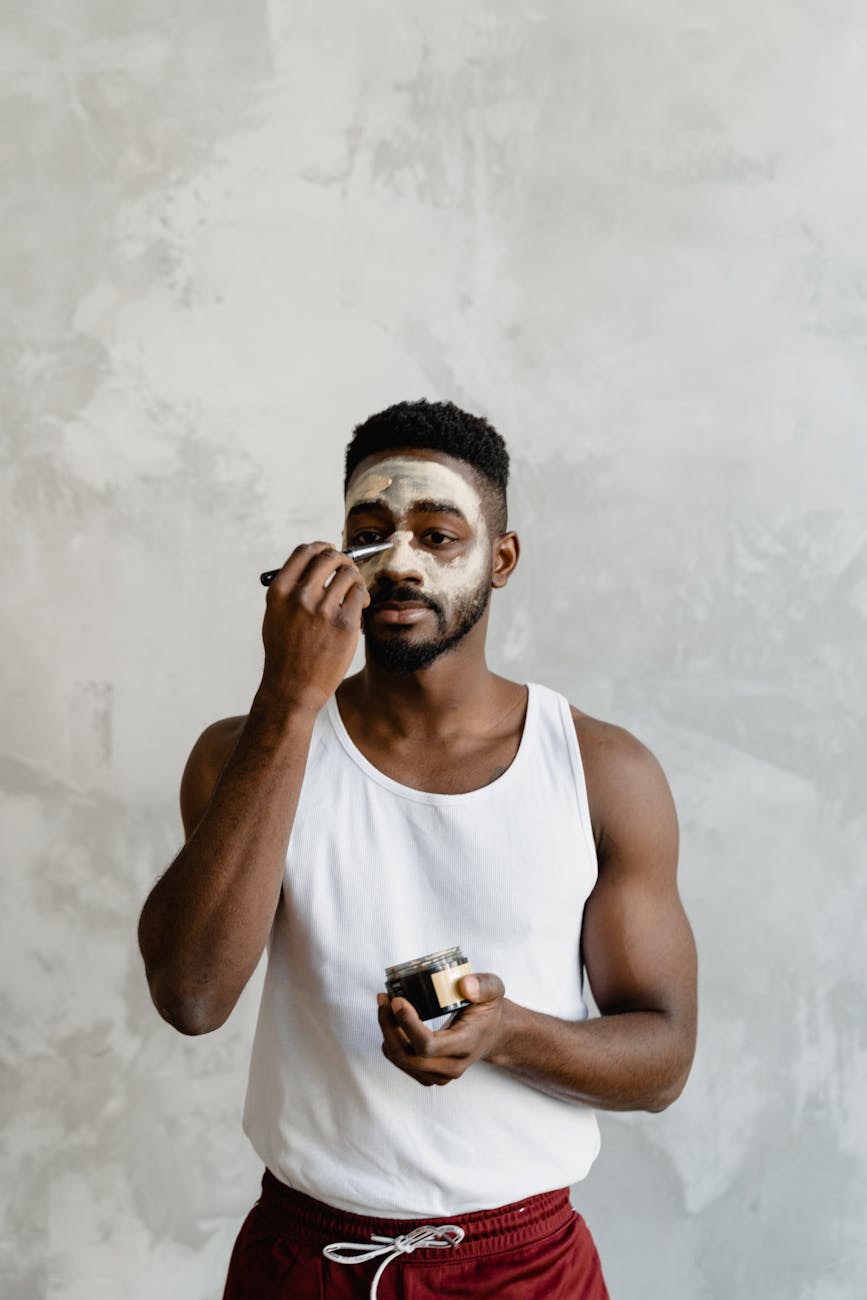
The “Slugging” Evolution: Why Professional Balms Outperform Drugstore Ointments
The article by Greg Resha critiques the popular skincare trend of “slugging” with petroleum jelly, highlighting its lack of nutrients for skin repair. Instead, it advocates for advanced recovery balms that use biomimetic technology to nourish while sealing the skin, promoting healthier, firmer skin without the downsides of traditional methods.
-

Understanding TEWL: The Hidden Reason Your Skin Stays Red and Irritated
The article emphasizes the importance of addressing Transepidermal Water Loss (TEWL) to maintain skin health. It argues that traditional moisturizers may worsen TEWL and that using skin-identical lipids, like those found in IMAGE MD® Barrier Repair Recovery Balm, helps seal moisture in. This approach reduces irritation, redness, and dryness, leading to healthier skin.
-
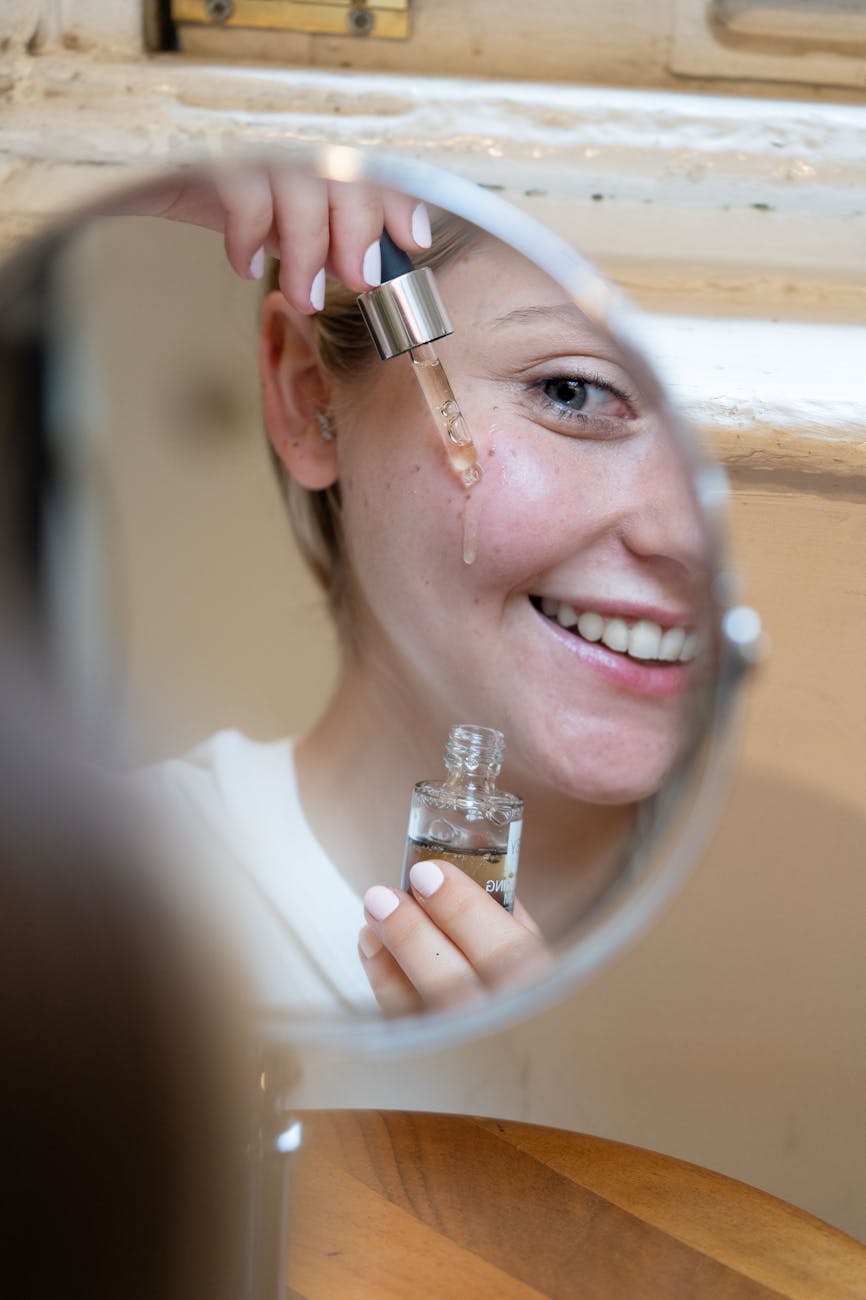
Winter Skin Rescue: How to Stop Windburn and Extreme Dryness in Its Tracks
The article highlights the importance of using lipid-dense balms for winter skincare. Cold weather depletes skin moisture and damages the barrier, leading to dryness and irritation. Emphasizing products like IMAGE MD® Barrier Repair Recovery Balm, it advocates for a pre-emptive defense strategy to retain hydration and protect skin during harsh conditions.