Category: Volume Loss
-
The “Sandwich Technique”: How to Layer Vol-U-Lift with Retinoids
The article by Greg Resha discusses the “Sandwich Technique” for effective retinoid application, which buffers the skin with a volume-restoring complex to minimize irritation and enhance results. This method combines retinoids with supportive ingredients, promoting healthier skin by addressing texture issues while preventing retinoid dermatitis. Consistency is key for optimal outcomes.
-
Why Your Post-Weight Loss Routine Needs More Than Just Hyaluronic Acid
Significant weight loss often leads to skin looking deflated due to loss of structural support, which Hyaluronic Acid alone cannot address. For effective restoration, a combination of volumetric reinforcement through ingredients like HA Silanols and amino acids is essential. This strategy revitalizes skin density, encouraging a more youthful appearance.
-
From Sagging to Sculpted: Addressing the Jawline and Nasolabial Folds
Greg Resha discusses techniques for addressing sagging in the lower face, particularly along the jawline and nasolabial folds, caused by volume loss. He emphasizes strategies like mid-face anchoring and the use of specific ingredients, such as Kangaroo Paw Flower and L-Ornithine, to restore skin density and achieve a more sculpted, youthful appearance.
-

How XOSM Technology Changes How Your Products Work
The article by Greg Resha discusses the importance of effective delivery systems in skincare, highlighting the limitations of traditional formulations that leave active ingredients on the skin’s surface. By utilizing XOSM™ technology, products can deeply penetrate the skin, enhancing the efficacy of key ingredients like Vitamin C and Ectoin, leading to noticeable improvements in skin…
-
The Essential Guide to Caring for Thinned or “Fragile” Skin
As skin ages or experiences hormonal changes, it may become thin and fragile, leading to a “crepey” appearance. Effective care involves using biomimetic ingredients like collagen fragments and Squalane to reinforce structure and restore moisture. Emphasizing proper nutrients and professional-grade products can improve skin resilience and texture over time.
-
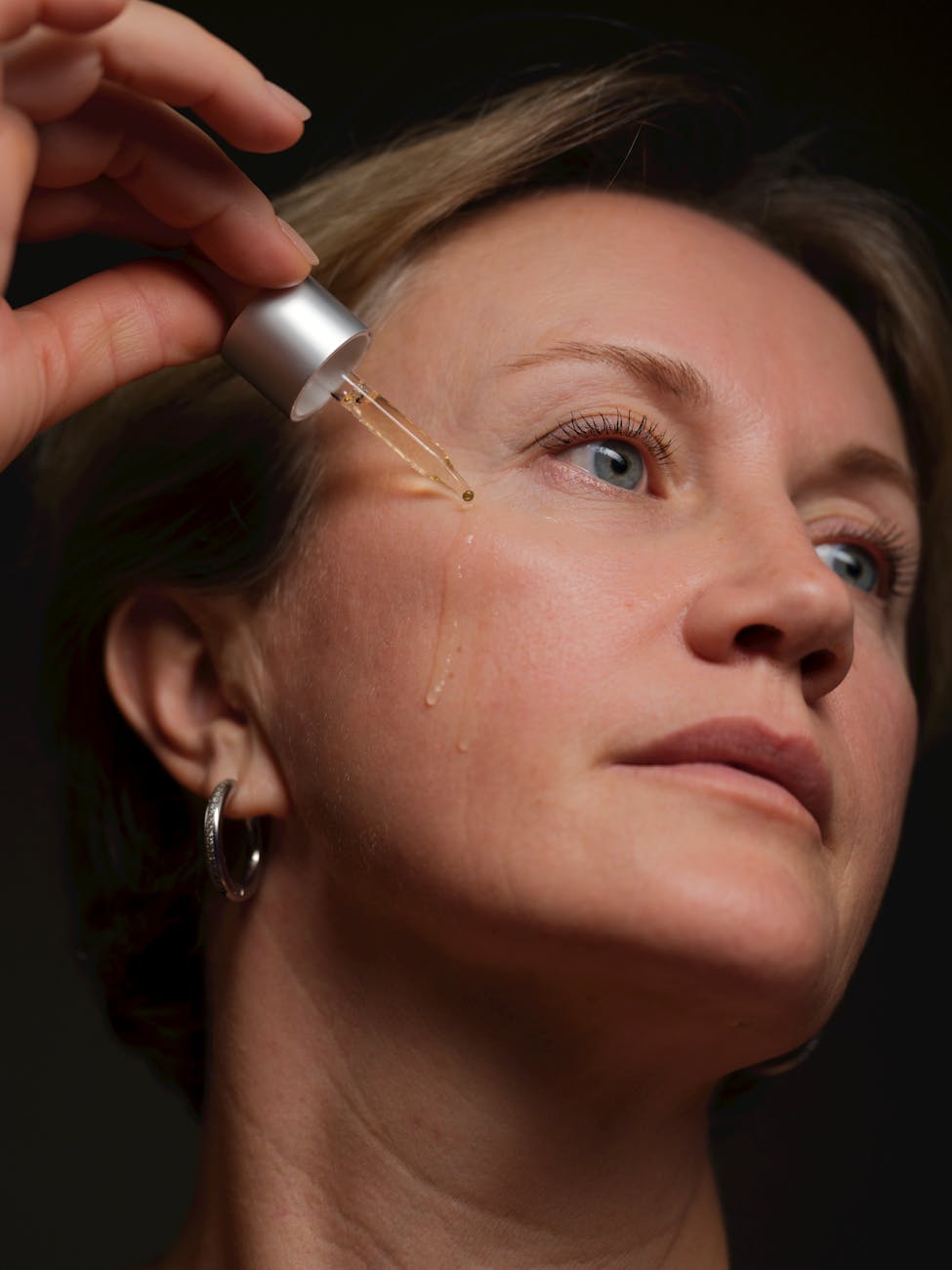
Understanding Skin Deflation: The Science of “The Rebound”
The article discusses the phenomenon of skin deflation, which differs from surface wrinkling and results in a hollow appearance due to loss of internal structure. It emphasizes the importance of boosting NAD+ levels and using biomimetic ingredients like L-Ornithine to restore skin volume and density, moving beyond surface treatments for effective rejuvenation.
-

Bakuchiol vs. Retinol: The Gentle Way to Sculpt and Smooth
Greg Resha discusses the benefits of Bakuchiol as a gentle, effective alternative to traditional retinoids for anti-aging. Unlike retinol, Bakuchiol promotes skin renewal without irritation, making it suitable for sensitive skin. Coupled with botanicals like Kangaroo Paw Flower, it offers a holistic approach to improving skin texture and firmness without painful side effects.
-
4D Skincare: Why Targeting Volume is the New Anti-Aging Standard
Greg Resha emphasizes a 4D approach to skincare for true facial rejuvenation, targeting not just surface wrinkles but also underlying issues like volume and density loss. By utilizing biotech-powered ingredients, one can effectively restore skin structure, achieving a firmer and more resilient complexion. This method shifts the focus from superficial fixes to holistic skin health.
-

What is “Ozempic Face”? How Weight Loss Changes Your Skin Structure
The article discusses “Ozempic Face,” a phenomenon where rapid weight loss leads to facial sagging due to loss of fat pads. It emphasizes a 4D skincare approach combining hydration, moisture, and volume restoration using advanced biotech ingredients to support skin’s structural integrity. Nutrition and stress management are also vital for optimal recovery post-weight loss.
-
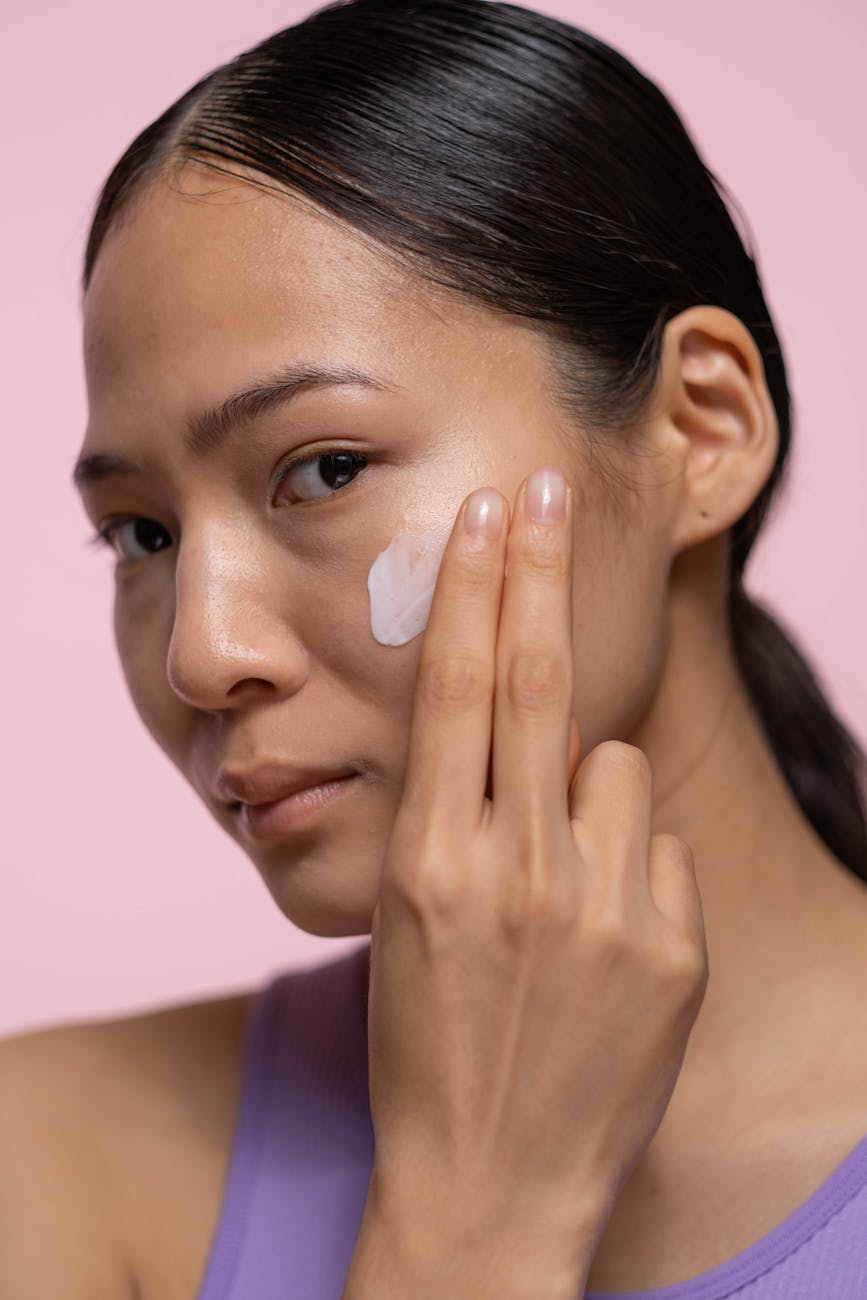
Plastic Surgeon vs. Esthetician: The Non-Invasive Approach to Volume
Greg Resha argues for an innovative skincare approach that transcends the traditional “surgery vs. skincare” debate. He advocates for non-invasive biotech solutions like the VOL.U.LIFT™ Skin Rebound Complex to enhance skin density and vitality, promoting natural facial volume without invasive procedures. This strategy helps delay the need for surgical interventions.
-
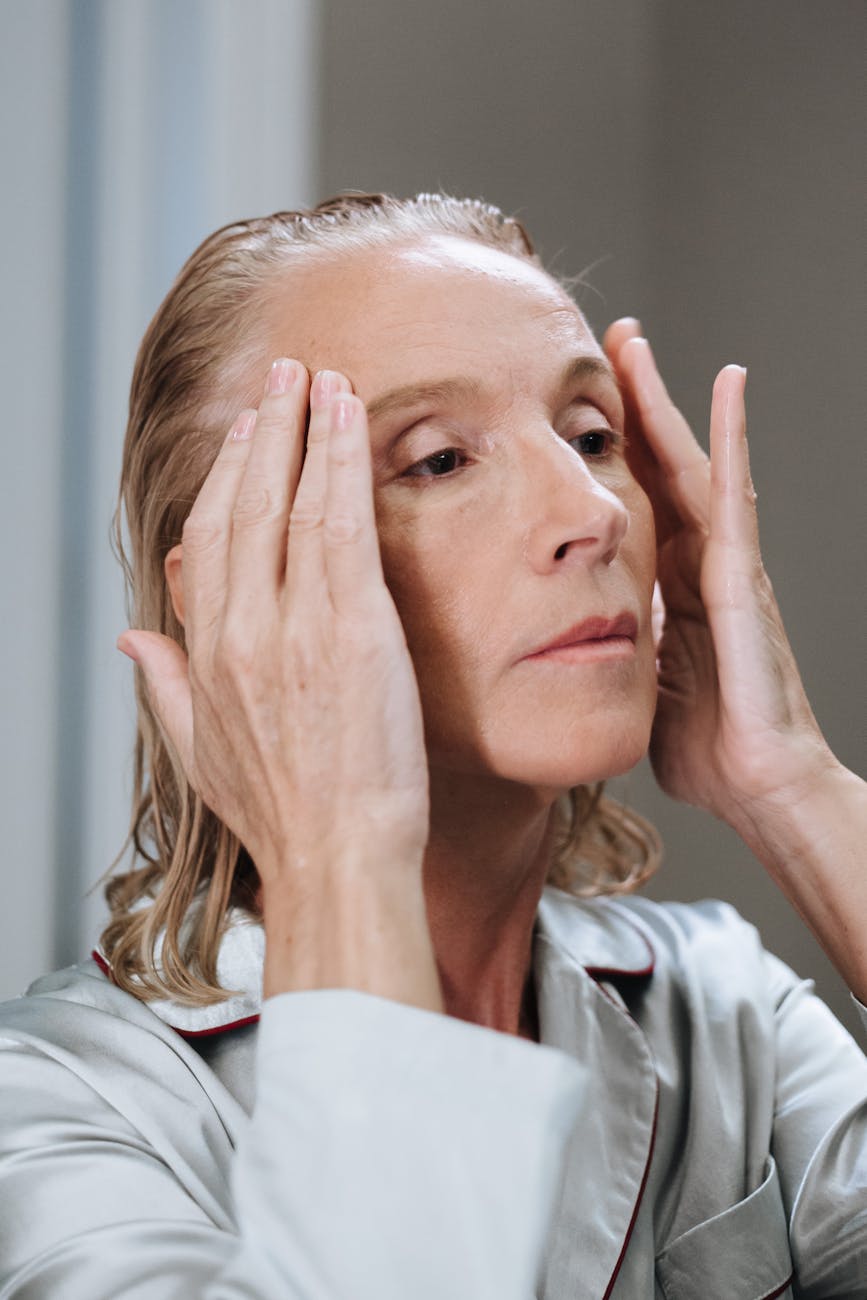
“Biohacking” Your Skincare: The Role of NAD+ in Skin Longevity
NAD+ is essential for skin health, enabling DNA repair and cellular defense. As we age, NAD+ levels drop, leading to decreased skin elasticity and repair. A Phyto NAD+ booster can revitalize skin by restoring energy, increasing thickness by 20.1%. This innovative approach emphasizes cellular energy over traditional topical solutions for anti-aging.
-
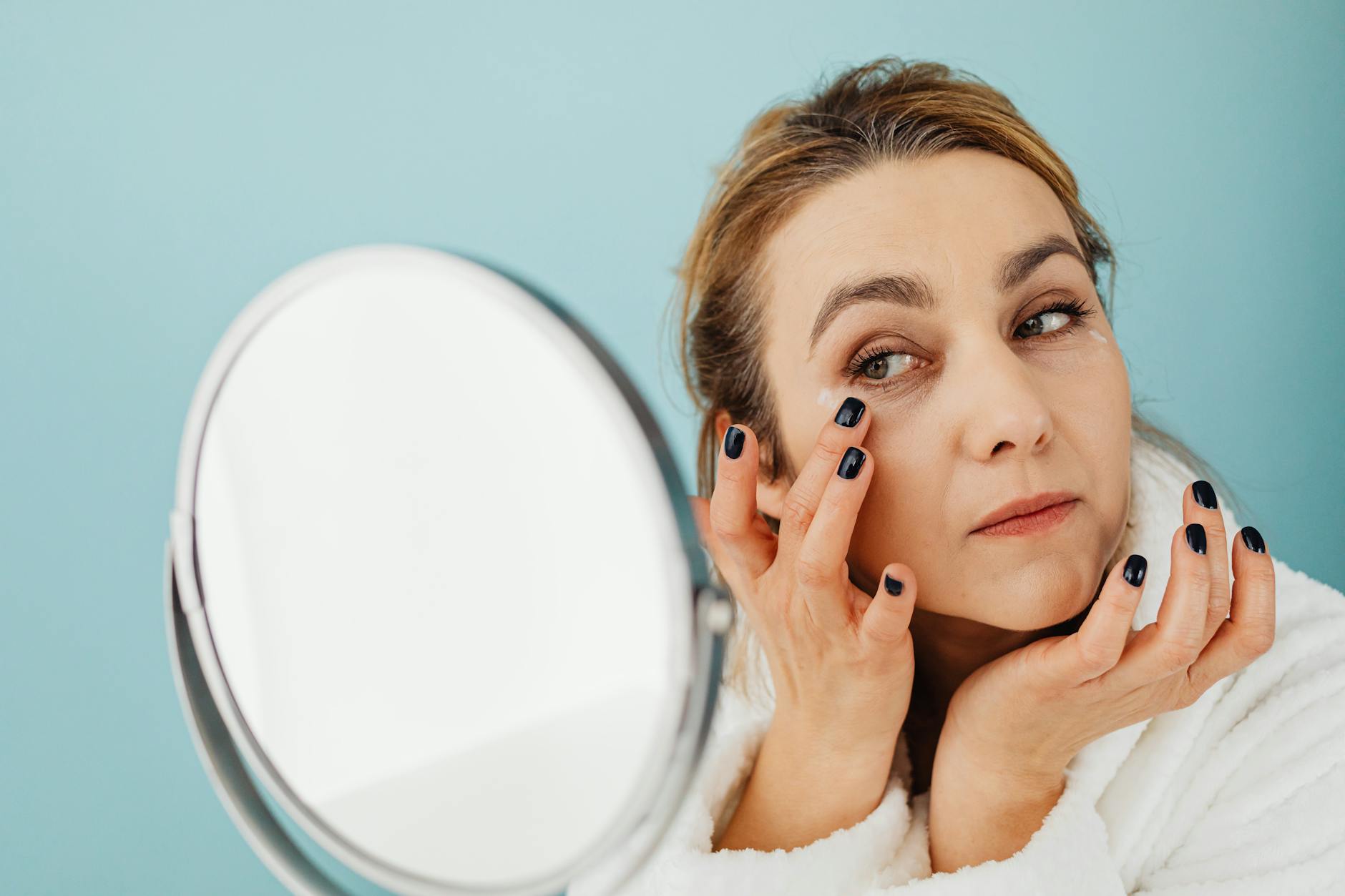
The “Menopause Face” Shift: How Estrogen Loss Affects Skin Density
The article discusses the significant effects of menopause on skin density due to estrogen loss, highlighting a 30% drop in collagen within the first five years. It emphasizes the need for a density-focused skincare routine using Phyto NAD+ and L-Ornithine to restore skin structure. Transitioning from basic hydration to targeted treatments can rejuvenate fragile skin.
-

Beyond the Surface: How XOSM™ Technology Delivers a Structural Rebound
The post discusses the limitations of traditional skincare in penetrating the skin barrier and introduces XOSM™ Technology, which uses phospholipid carriers to deliver active ingredients like Phyto NAD+ deeper into the skin. This innovative delivery system enhances bio-availability, promoting significant improvements in skin density and hydration, especially for fragile skin.
-

Understanding the 4Ds: A New Strategy for “Fragile” Skin
Greg Resha discusses the evolution of anti-aging skincare, emphasizing a 4D approach to address Deflation, Deep wrinkles, Dehydration, and Density. He highlights the importance of a comprehensive recovery plan, particularly for fragile skin affected by rapid weight loss. The VOL.U.LIFT GLP-1 4D Skin Rebound Complex is recommended for its multi-dimensional restorative properties.
-

The “Snap-Back” Test: Is Your Skin Losing Its Density?
The skin’s ability to “snap” back indicates its density and health. A decline in density causes sagging and thin texture, often due to aging or weight loss. The VOL.U.LIFT GLP-1 4D Skin Rebound Complex can restore skin thickness by promoting collagen production and enhancing dermal properties, revitalizing skin structure and appearance.
-

Beyond Collagen: Why Your Skin Needs “Glue” Proteins to Stay Firm
The article emphasizes that collagen alone is insufficient for skin firmness; it requires proper organization by Tenascin-X, a protein that creates a supportive matrix. The Kangaroo Paw Flower extract helps boost Tenascin-X production, enhancing skin elasticity and thickness, thus promoting a natural, resilient appearance.
-
The NAD+ Connection: Giving Your Skin the “Battery Life” to Repair
NAD+ is a vital coenzyme for skin energy and repair, significantly decreasing with age, leading to signs of aging. The VOL.U.LIFT GLP-1 4D Skin Rebound Complex utilizes Phyto NAD+ technology to rejuvenate skin by replenishing energy, enhancing collagen production, and improving overall skin density, resulting in a youthful appearance.
-

Why Weight Loss “Deflates” the Face (And How to Refill It)
Rapid weight loss can lead to facial deflation as fat pads shrink, resulting in sagging skin and deepened lines. To counter this, a targeted approach using the VOL.U.LIFT GLP-1 4D Skin Rebound Complex combines L-Ornithine and Phyto NAD+ to restore skin density and structure, promoting a youthful appearance.
-

Face Yoga vs. Biotech: Can You Actually “Work Out” Your Facial Volume?
Facial rejuvenation should focus on boosting dermal density rather than solely performing exercises. Rapid weight loss and aging contribute to skin sagging due to the loss of fat and collagen, which can’t be reversed through muscle workouts. Biotech solutions like L-Ornithine and Kangaroo Paw Flower provide significant improvements in skin thickness and elasticity.
-

The Science of the “Skin-Gut” Connection in Weight Loss
The article by Greg Resha discusses the impact of weight loss and GLP-1 medications on skin health. It highlights how nutrient deficiencies can lead to dull skin and the importance of topical treatments like Phyto NAD+ and L-Ornithine to support skin vitality. Emphasizing skin-gut connections, it advises proactive skincare during weight loss.
-
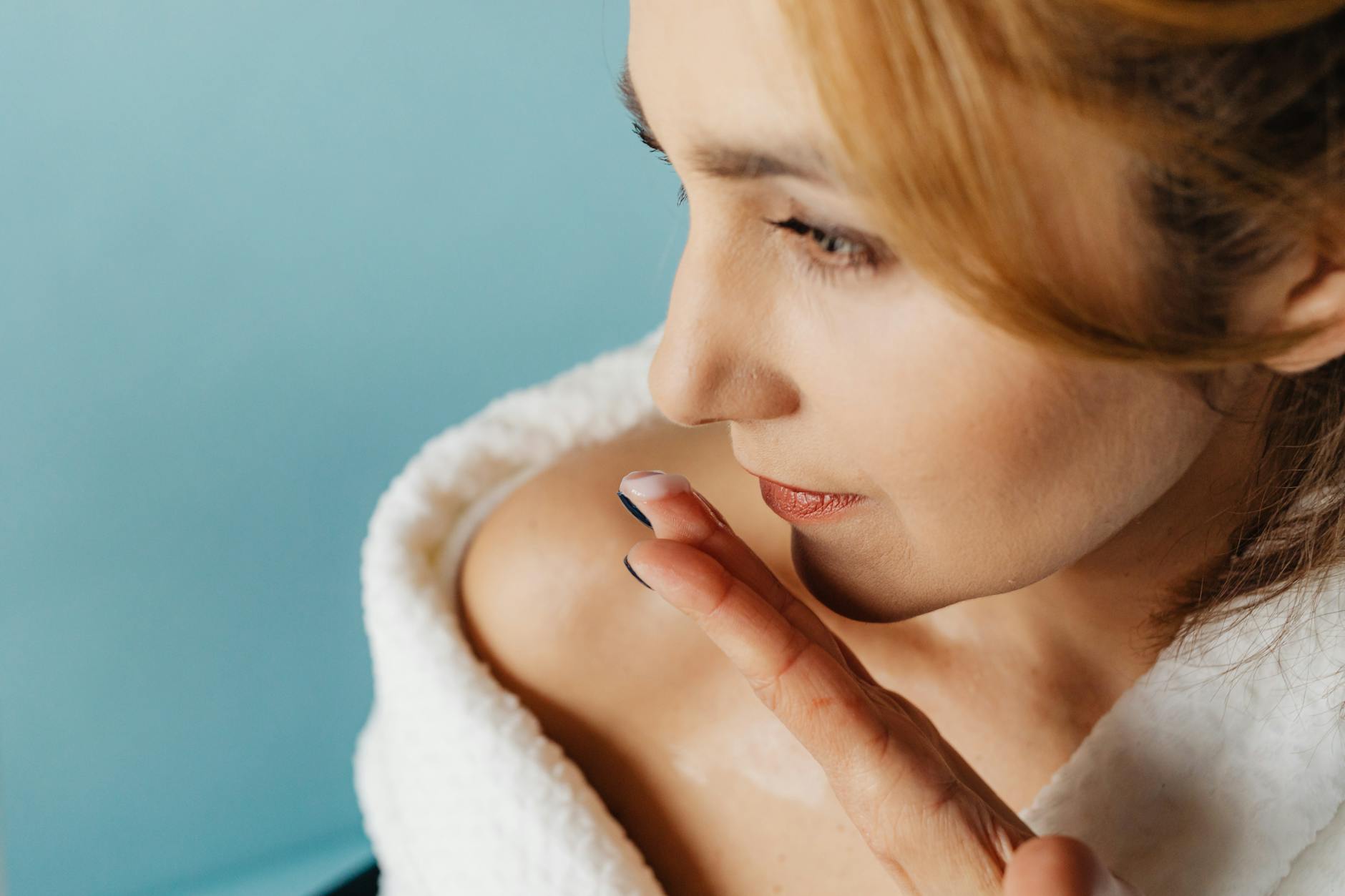
Can Topicals Replace Fillers? The Truth About “Injectable-Grade” Creams
The article discusses the limitations of dermal fillers, highlighting “filler fatigue” and the puffy appearance they can create. It introduces advanced topical fillers, like the VOL.U.LIFT™ GLP-1 4D Skin Rebound Complex, which enhance skin structure and hydration. These options provide a natural volume, extending the lifespan of injectables and improving overall skin health.